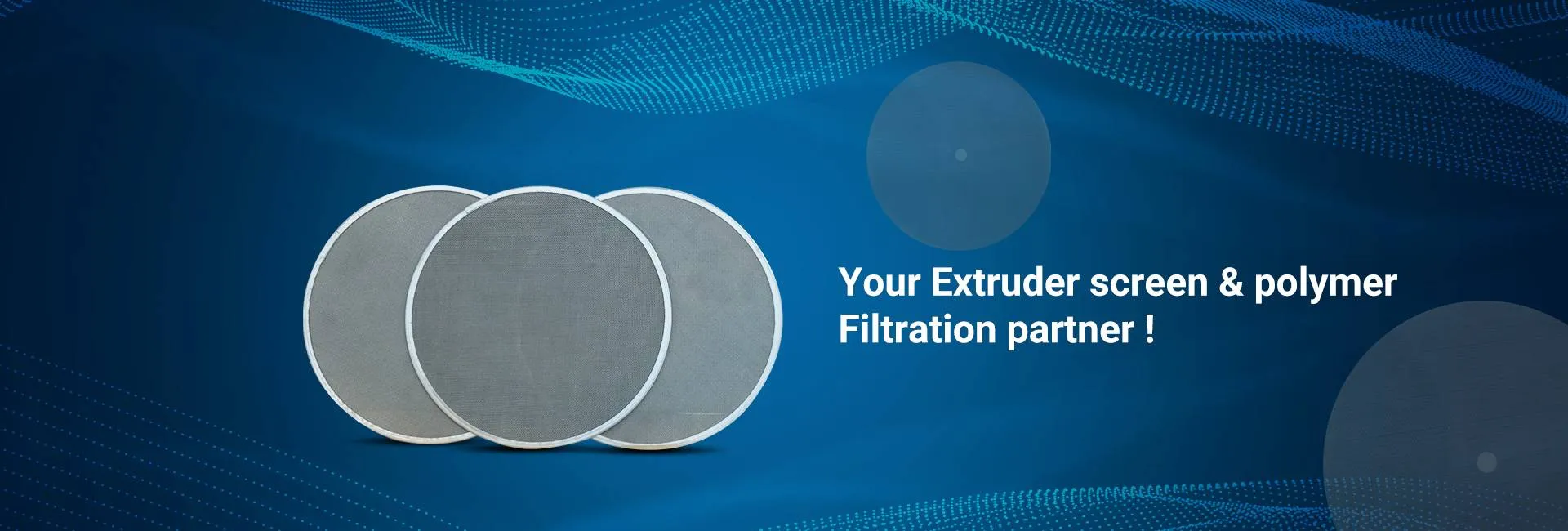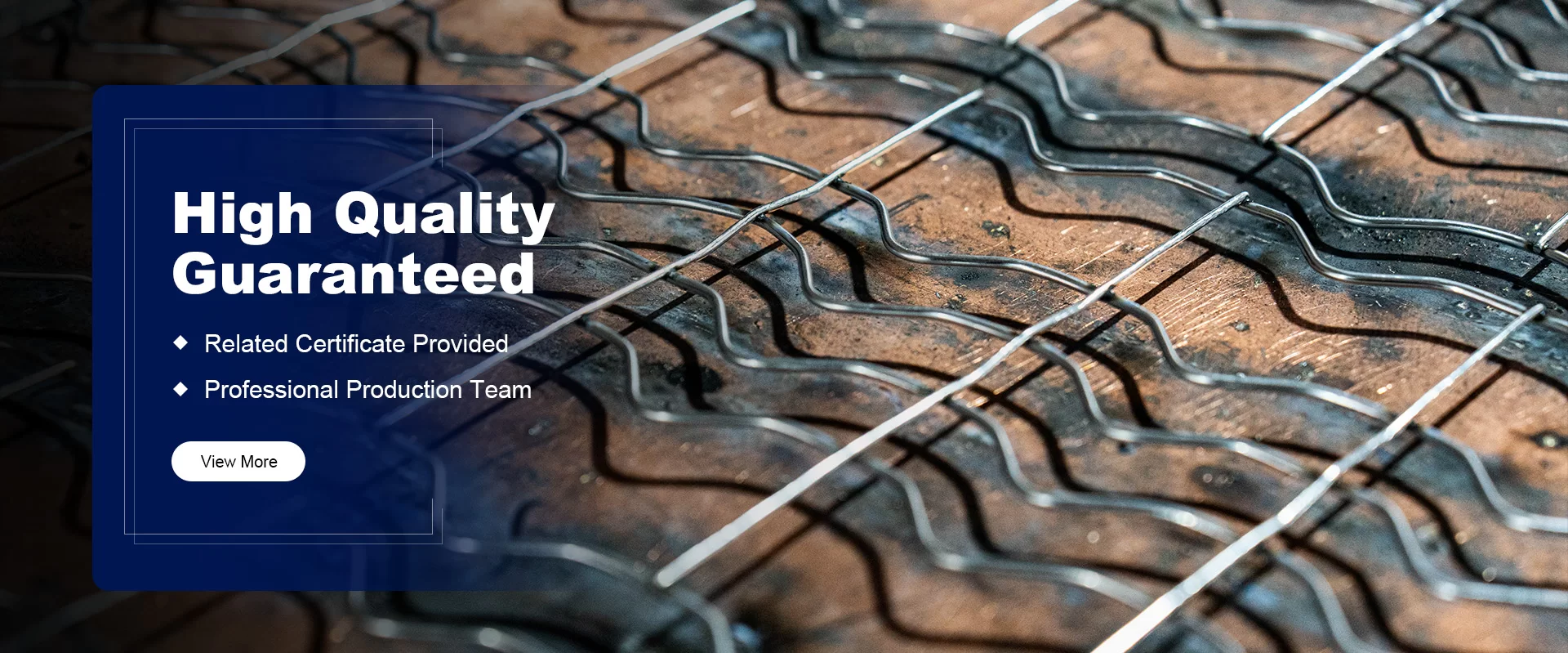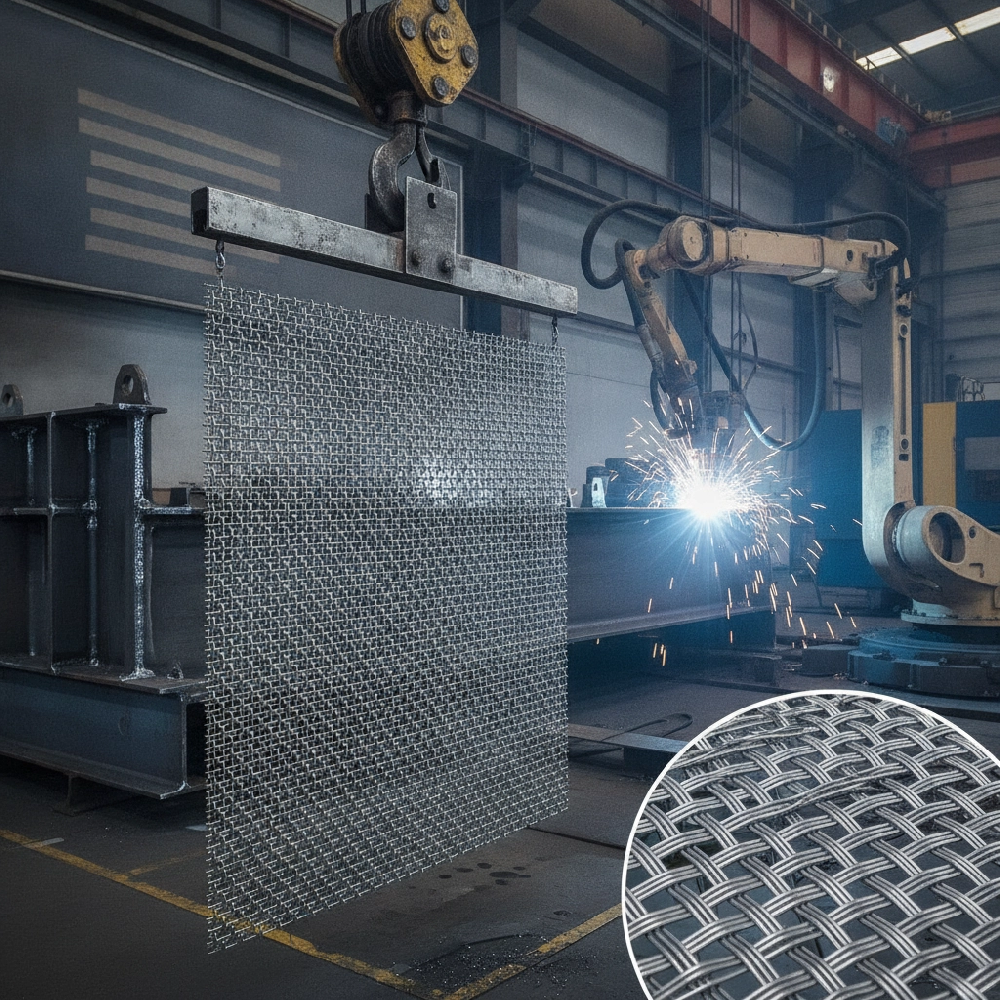

Special Alloy Wire Cloth illustrates why filtration media selection involves more than choosing an opening size: alloy, weave, operating conditions, and cleaning practices all influence how a mesh performs over time. A nominal micron rating is useful, but it does not tell the whole story about flow, pressure drop, or resistance to process conditions.
For process engineers, the challenge is to balance particle retention with steady throughput and practical maintenance. A mesh that captures fine contaminants may restrict flow or blind quickly if the feed contains fibers, oils, or irregular particles. Conversely, a highly open structure may support greater flow but allow unwanted material to pass downstream.

Start with the process, not the product label
The first step is to define what the filtration system must do. Relevant details include the size and shape of the particles, the acceptable level of contamination after filtration, the fluid’s viscosity, and its temperature and chemistry. Operating pressure and flow rate matter too: a medium suitable for a low-pressure batch operation may behave differently in continuous service.
Engineers should also distinguish between absolute and nominal retention claims. Depending on the manufacturer’s test method, a nominal rating may describe a typical capture level rather than a guarantee that every particle above a stated size will be retained. Comparing ratings is meaningful only when the test conditions and definitions are understood.
Where process consequences are significant, testing the mesh with representative fluid and contaminant samples can reveal behavior that a catalogue specification cannot. Such trials can help identify early blinding, bypass, or an unexpectedly high pressure drop before the media is installed at scale.
How weave and wire geometry shape performance
Mesh performance depends on the relationship between wire diameter, opening dimensions, and the weave pattern. A tighter structure can improve particle retention, while a more open structure generally offers greater flow area. These properties also affect mechanical strength: thin wires and small openings may be appropriate for delicate separation tasks, but support conditions and pressure loads must be considered.
Plain, twill, and other weave constructions distribute wires differently and can influence smoothness, stability, and cleanability. In multilayer or sintered media, bonded layers may provide a combination of fine filtration and structural support. The right construction depends on the application, rather than on a universal preference for one weave or layer count.
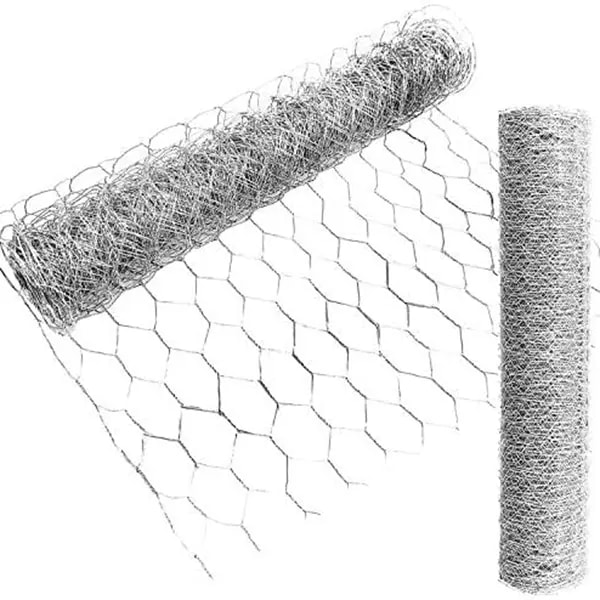
Mesh used in filtration is distinct from products intended for guarding or architectural applications, even when both are made from woven or welded wire. For example, Architectural Mesh may be selected for enclosure or design requirements, while process filtration demands careful control of openings, material compatibility, and flow characteristics.
Material choice is a durability decision
The mesh alloy should be matched to the process environment. Moisture, acids, alkalis, salts, cleaning chemicals, and elevated temperatures can affect corrosion resistance and service life. Compatibility should be assessed against the actual operating and cleaning conditions, since a mesh may encounter different chemicals during production and maintenance.
Mechanical demands are equally important. Repeated backwashing, vibration, abrasion, or pressure cycling can fatigue a filter element or deform openings. When a mesh is part of a larger assembly, the frame, seals, and support layers also influence reliability; weaknesses in those components can allow bypass even if the mesh itself is correctly specified.
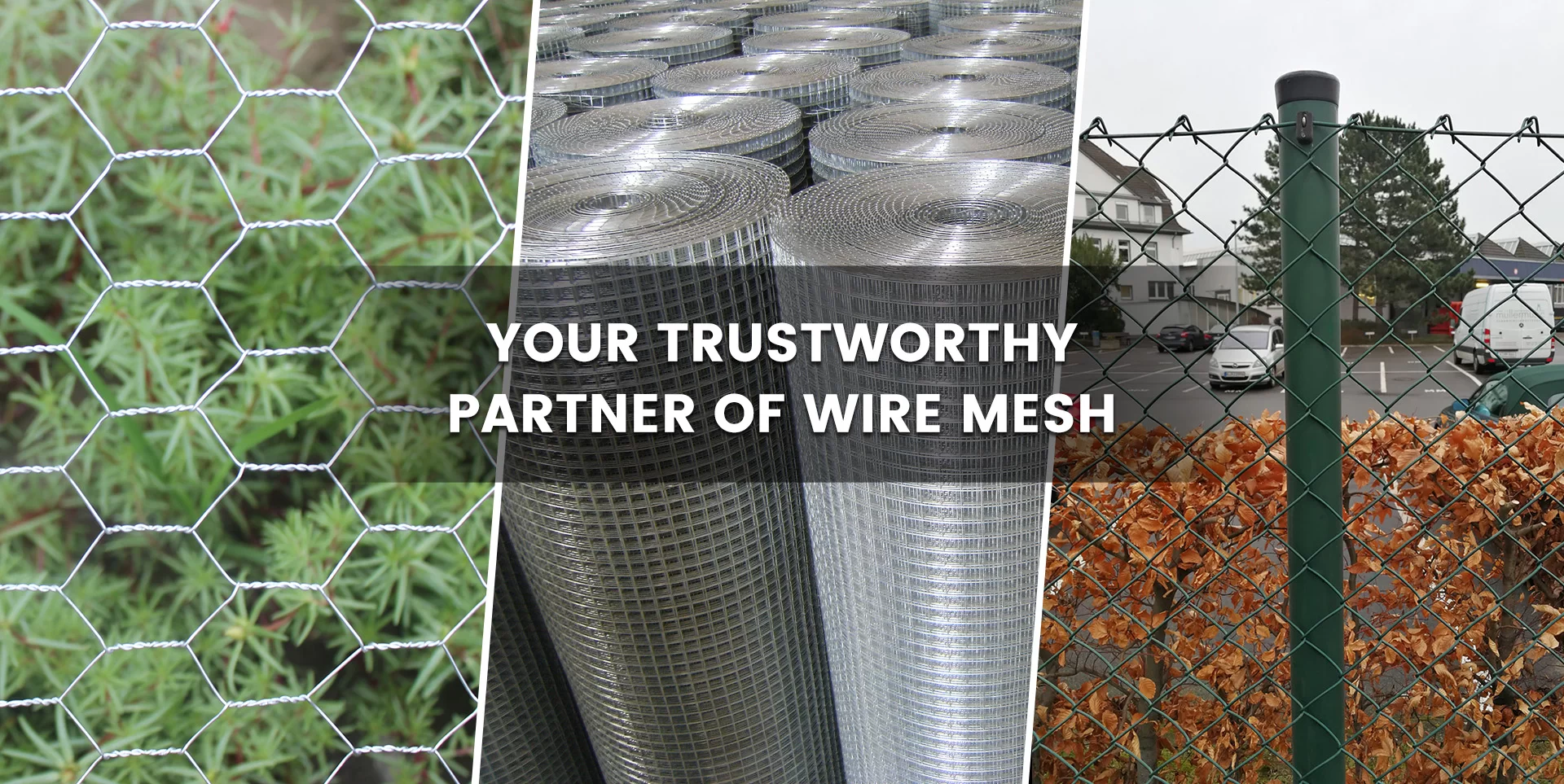
Material certificates and test documentation help buyers verify that supplied wire matches the specified grade and requirements. In the broader wire-mesh supply chain, manufacturers such as Anping Yinghangyuan Wire Mesh Co., Ltd. work with steel materials and mesh products used across sectors including construction, agriculture, and food processing. Traceable material records and clear product specifications support informed evaluation, while application-specific testing remains essential for filtration systems.
Quality control begins before weaving
Consistent filtration depends on repeatable manufacturing. Raw wire should be checked for the relevant material properties and dimensional consistency before production. During forming, tooling and machine settings need verification so that wire spacing, weave pattern, and finished dimensions remain within agreed tolerances.
Inspection of the finished product can include opening-size measurements, visual checks for broken or distorted wires, and verification of panel or roll dimensions. For sintered products, layer bonding and structural integrity are additional considerations. The appropriate inspection plan depends on the product design and the consequences of failure in service.
Clear purchasing specifications reduce ambiguity between supplier and end user. They should identify material grade, construction, dimensions, tolerances, relevant test methods, and documentation needs. If the application is critical, buyers can agree on inspection criteria and sample approval before routine production begins.
Maintenance is part of filtration design
A filter medium’s service life is influenced by how it is cleaned and handled. Backwashing, ultrasonic cleaning, chemical washing, or other methods may be suitable depending on the mesh material and the contaminants being removed. Cleaning intensity should be controlled: excessive pressure or aggressive chemicals can damage wires, alter openings, or weaken bonds in layered products.
Monitoring differential pressure provides a practical way to identify loading and determine when cleaning or replacement is needed. A consistent maintenance record can also help teams distinguish normal clogging from a process change, damaged media, or an unsuitable initial specification.
Used mesh should be inspected for deformation, corrosion, broken wires, and residue that cannot be removed safely. Reinstalling a damaged element can compromise product quality or equipment protection, so replacement decisions should follow documented condition checks rather than appearance alone.
A better specification connects the whole system
Reliable filtration comes from treating mesh as one component in a process system. The strongest specification connects particle-retention needs with flow targets, pressure limits, chemistry, temperature, cleaning procedures, and inspection requirements. It also accounts for how the media is supported and sealed in its housing.
When engineers, buyers, and suppliers evaluate those factors together, they can compare options on operating performance rather than a single rating. That approach helps reduce premature failures, avoid unnecessary pressure losses, and select mesh that remains fit for purpose throughout its intended service life.